Subtotal
$0.00
or

Finding the perfect match for your dog's training style.
If your dog’s barking has gone from cute to constant, you’re not alone. Whether it’s triggered by delivery drivers, doorbells, or backyard critters, unwanted barking can become stressful fast. Luckily, there are safe and effective ways to calm the noise.
The two most popular humane options are handheld bark control devices and automatic bark collars. But which one works best? Let’s compare how each type functions, their pros and cons, and how to choose the right one for your dog.
A bark control device helps interrupt or deter barking using sound, vibration, or gentle stimulation. The goal isn’t punishment—it’s communication. These tools give your dog a consistent, humane signal that barking isn’t needed.
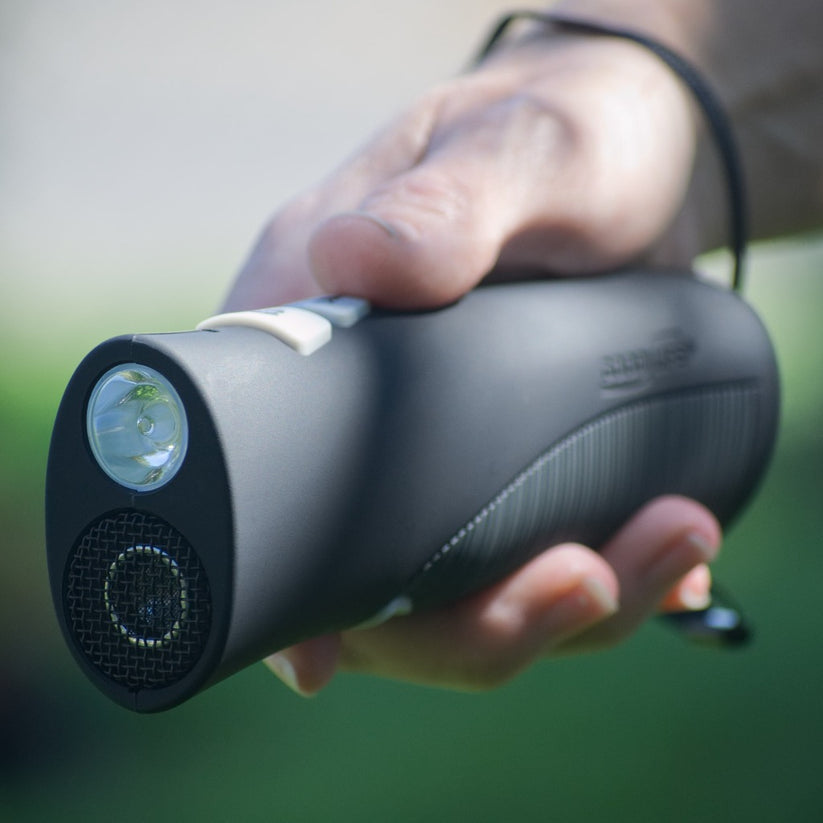
A handheld device gives you full control. You press a button to emit an ultrasonic sound (inaudible to humans) that captures your dog's attention and stops the behavior instantly.
The Downside: You have to be present to push the button. If you aren't home, it can't train the dog.
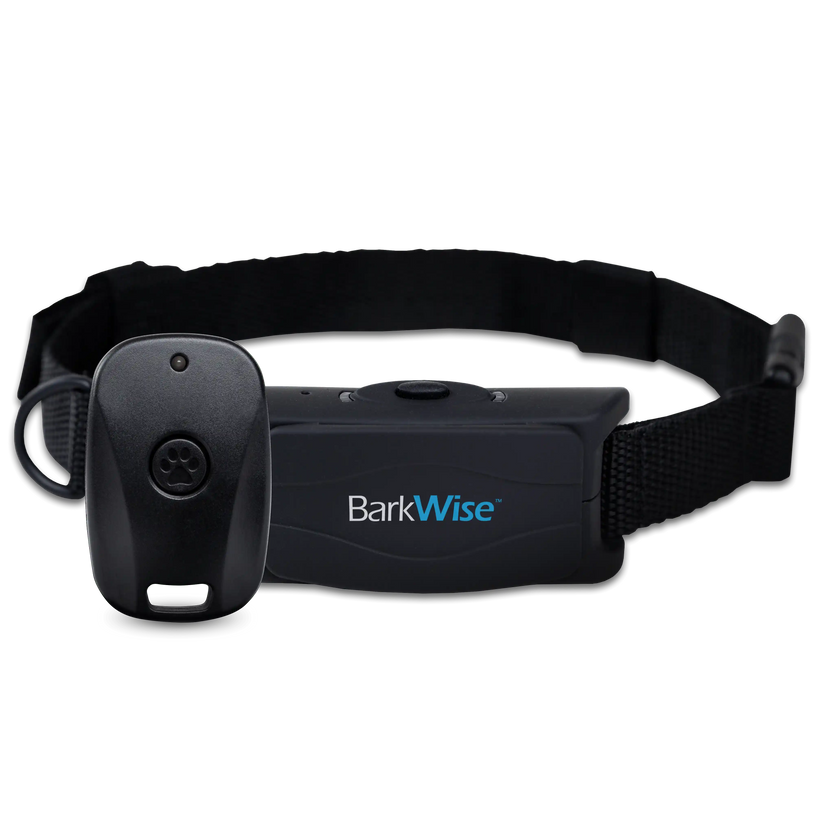
Bark collars are "hands-free" trainers. They use sensors to detect when your dog barks and automatically deliver a correction (sound, vibration, or static) to interrupt them.
The Downside: It only stops barking (won't stop jumping or digging) and must be worn to work.
| Feature | Handheld (OnGuard) | Collar (BarkWise) |
|---|---|---|
| Requires You? | Yes (Active) | No (Passive) |
| Works for Jumping? | Yes | No |
| Consistency | Depends on you | 100% Consistent |
Our experts can help you pick the perfect training tool for your unique situation.
Browse All Solutions

This season, we are highlighting the OnGuard Handheld Trainer not just as a behavior tool, but as a 3-in-1 personal safety device for the winter walker.


Why Pests Move Indoors During Winter (And How to Evict Them Safely)


The countdown is on! With Christmas just around the corner, the window for finding that perfect gift is closing fast.